Binance vs. Upbit 2026: The 'Real Dangers' 99% Don't Know – Is Your Choice Wrong?
Binance vs. Upbit 2026: The 'Real Dangers' 99% Don't Know – Are You Making the Wrong Call?
Most crypto investors really believe either Binance or Upbit is the absolute best choice. Trust me, the internet's bursting with comparison articles and so-called expert analyses. But here's the kicker: everyone's quiet about the truly crucial, hidden pitfalls. Honestly, this is a mind-blowing truth. Come 2026, such a simple-minded view could put your precious holdings at risk. Seriously. Ignoring these issues could mean huge losses, way more than just a few bucks saved on fees. You could even lose everything. Scary, right?
This piece dives deep into the dangers of Binance and Upbit for 2026, taking a stand against common wisdom. Read it to the end, and you'll grasp the real factors for picking a genuinely secure platform, not just one loaded with features.
1. The Popular Delusion: Binance vs. Upbit – Features Hide the Core Problem
Plenty of folks rave about Binance for its vast altcoin options, low trading costs, and diverse derivatives. Some even bet on its global takeover. Upbit, then again, flaunts its local regulatory compliance, easy KRW deposits/withdrawals, and solid liquidity, making it look like the perfect fit for Korean investors. But this surface-level feature comparison? It makes us totally miss the crypto market's inherent dangers in 2026.
Here's what matters. Your platform choice shouldn't just be about "what it offers." It must center on "what trouble it could cause." Functionality? That can flip overnight. But fundamental issues, like regulation or security, can wreck everything once they hit.
📖 Related: Binance vs. Upbit 2026: The Hidden Winner to Safeguard Your Crypto?
2. Reason 1: The Fatal Risk of Regulatory Uncertainty in 2026
By 2026, the crypto world will have moved past the initial regulatory tweaks of 2023-2024. That means we're staring down a much tougher regulatory landscape. Binance, for one, has constantly butted heads with authorities across the globe. In some places, it's even faced service shutdowns or been hit with fines. These regulatory headaches? They're still a massive weak spot that could trip up Binance in 2026.
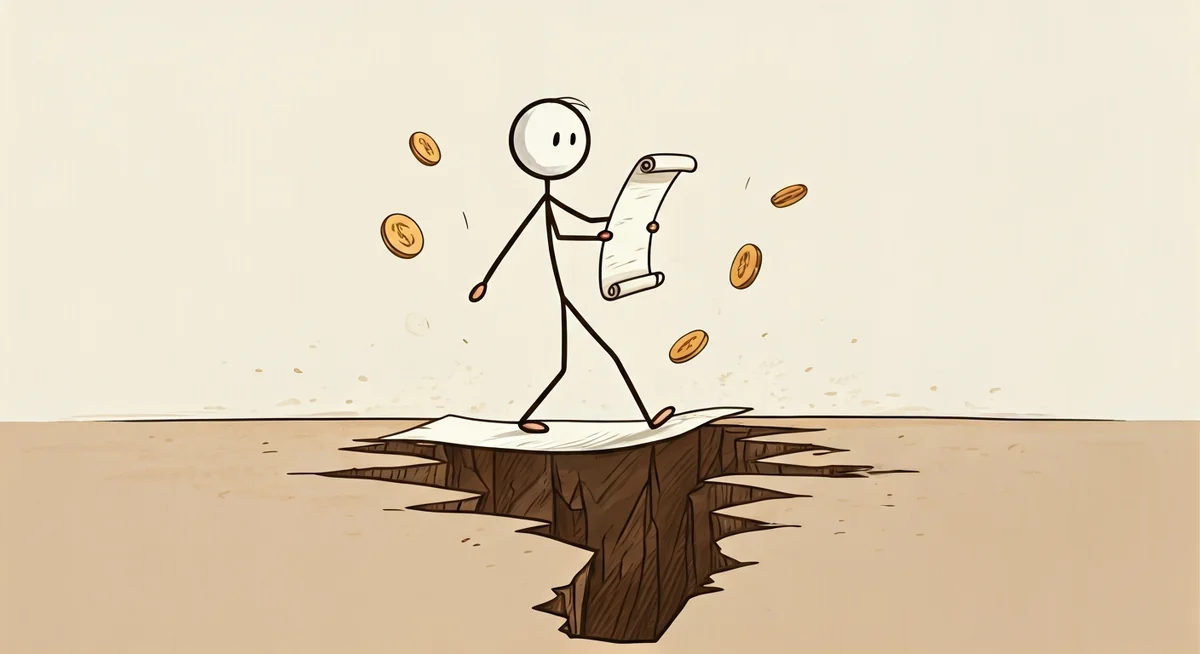
Say, new regulations get super strict in a certain region. Suddenly, Binance users there could find their money locked up. You can't rule out withdrawal delays. As global rules, like the Financial Action Task Force (FATF)'s recommendations FATF Report on Virtual Assets and VASPs, get tighter, how well an exchange plays ball with regulators could literally decide if it survives. Upbit, conversely, operates under Korean financial oversight, following the domestic Act on Reporting and Using Specified Financial Transaction Information. But that's not a bulletproof vest. Local rules can also shift at any moment. Unforeseen government moves could hurt individual investors. In 2026, I anticipate even more active info sharing and cooperation between domestic and international regulatory bodies. This will bring fresh regulatory pressure for both global and local players. The big takeaway? Regulatory compliance will be key for your money's safety in 2026.
📖 Related: Crypto Loss Prevention: 5 Pro Strategies 99% Miss to Protect Your Assets by 2026
3. Reason 2: User Asset Protection – Visible Safeguards Don't Tell the Full Story
So, what's the actual problem?
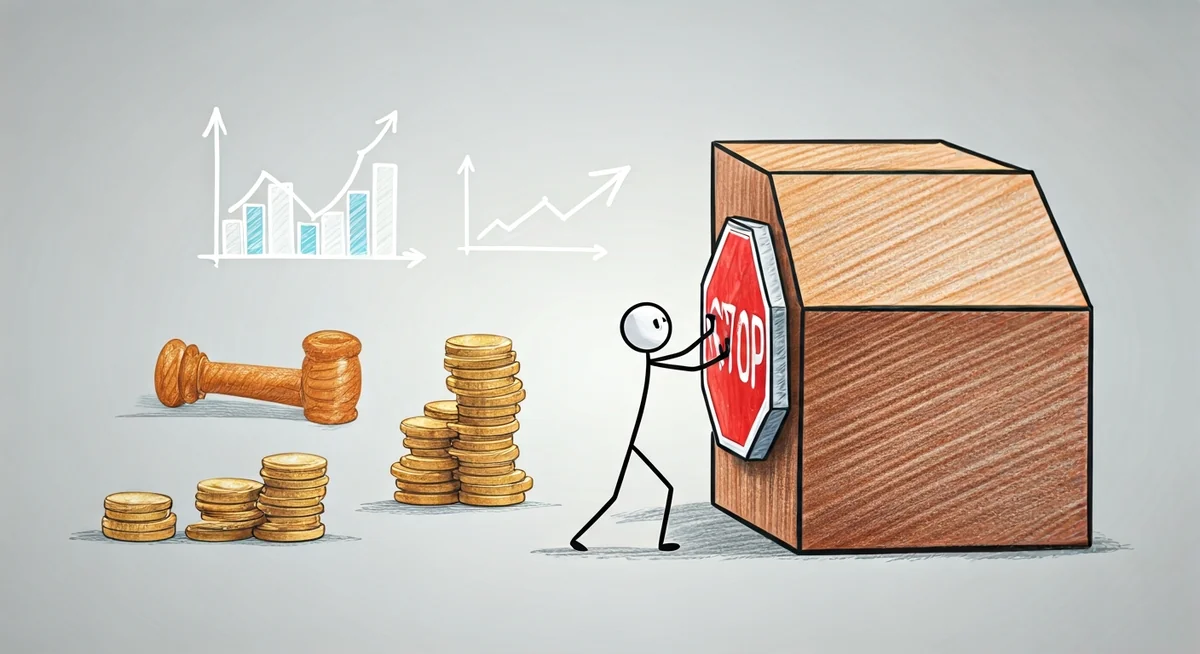
Most exchanges trumpet their user asset protection: anti-hacking systems, cold wallet storage, insurance. Binance runs an emergency fund like 'SAFU (Secure Asset Fund for Users).' Upbit also promises some compensation through deals with local insurance companies. But honestly, can these protections really cover all the risks?
In 2026, your money could still disappear because of internal control flaws, employee theft, or unexpected tech glitches. And get this: a CoinDesk report showed tons of crypto hacks happened in 2023. DeFi, especially, remained an easy target. Exchange security isn't just about tech. It's a whole package deal, including transparent operations, internal audits, and quick emergency responses. Furthermore, efforts to boost transparency, like 'Proof of Reserves,' are good. But they only show asset amounts at one specific moment. They don't perfectly represent an exchange's overall financial health, including its debts. For 2026, you'll need a much closer look at an exchange's financials and how transparent its operations truly are. Just trusting what you can see? That's a dangerous game.
📖 Related: Crypto Exchange Fees: The 'Real' Saving Strategy 99% Don't Know (2026)
4. Reason 3: Hidden Costs and Limitations – The Silent Drain on Your Profits
When we compare Binance and Upbit, we often just eye the trading fees. Binance is famous for its low costs. In reality, though, all sorts of hidden expenses pop up: withdrawal fees, network fees, and the spread (the buy-sell price gap) during complicated coin-to-coin swaps. Especially with overseas platforms, foreign exchange conversion fees or international transfer fees are far from negligible.
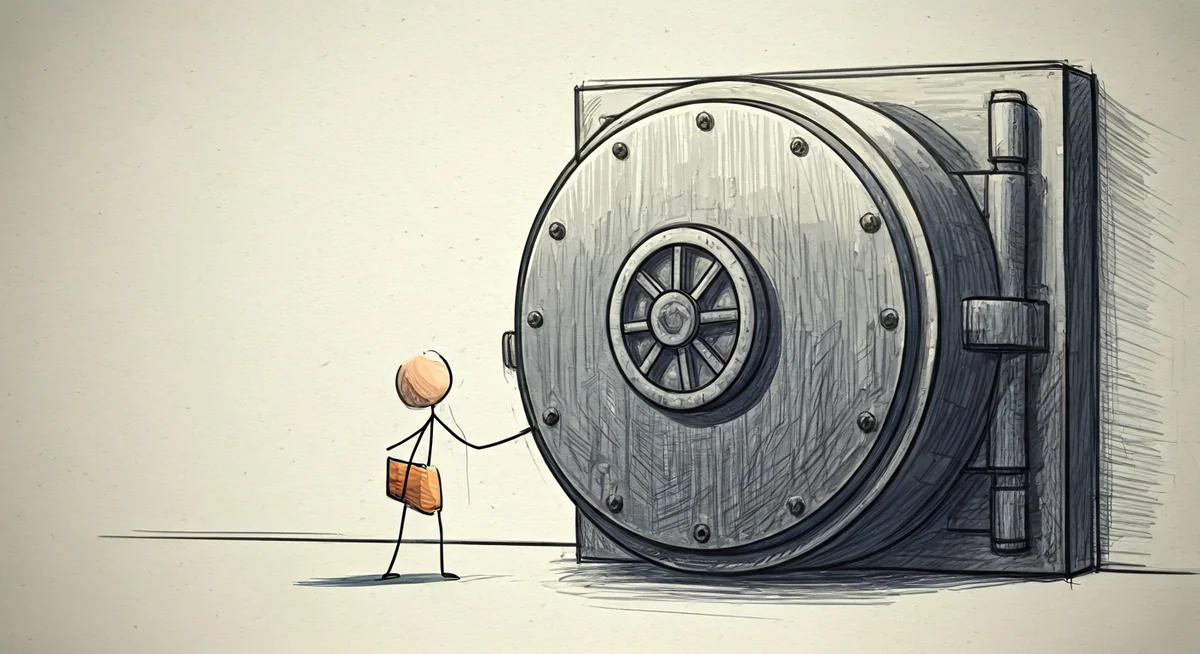
Upbit also offers cheap fees for its KRW market. However, you pay extra for the BTC or USDT markets. For some assets, liquidity might be low, leading to bigger spreads. And there's more. Come 2026, crypto taxes will be way more common. Complex tax reporting and potential penalties for using international exchanges can also become hidden costs. While tax reporting might be easier for local platforms, users of overseas ones could face major tax headaches if they're not careful. Remember, these hidden costs and limitations can slowly but surely eat away at your investment gains over time, far more than you'd ever expect.
📖 Related: 3 Fatal Pitfalls 99% Don't Know When Choosing a Hardware Wallet: Protect Your Assets in 2026
5. The Real Weaknesses and Limitations Each Platform Has That Everyone Misses
People tend to only see Binance's endless potential and Upbit's rock-solid stability. But the fundamental flaws baked into each platform? Those often get overlooked. With Binance, its massive services and global reach can actually make it a prime target for regulators. So, a country tightening its rules could, in theory, shut down services worldwide. Plus, its complicated features and interface can be a huge hurdle for new traders. And if things go wrong, getting customer support can be a nightmare because of time zones and language barriers.

What's more:
Have asset freezes happened due to regulatory shifts? Absolutely. I've seen instances where Binance accounts were frozen in certain countries. This caused immense hassle for users and the risk of losing funds. Such a scenario could easily play out again in 2026.
Upbit's weak point is the flip side. While its local regulatory compliance is a plus, it also limits the platform due to its heavy reliance on the domestic market. It's super vulnerable to changes in local policy. And it might be slow to adapt to global market trends. Then there's its limited altcoin selection and lower global liquidity compared to Binance. This can mean investors miss out on diverse opportunities. An over-focus on the domestic market can make it more susceptible to unexpected local economic crises or policy changes. That could really hinder your portfolio's diversification in the long run.
6. Nevertheless, the Strategic Strengths of Each Platform Must Be Acknowledged
Even playing devil's advocate here, we can't deny the clear advantages of both platforms. Binance still boasts the world's highest liquidity. It offers investors a massive range of options through countless altcoins and diverse derivatives. Its innovative blockchain tech and ecosystem expansion? Pretty impressive. The fact that it provides a broad spectrum of services, meeting the varied demands of everyone from small-time investors to pros, is an undeniable plus.
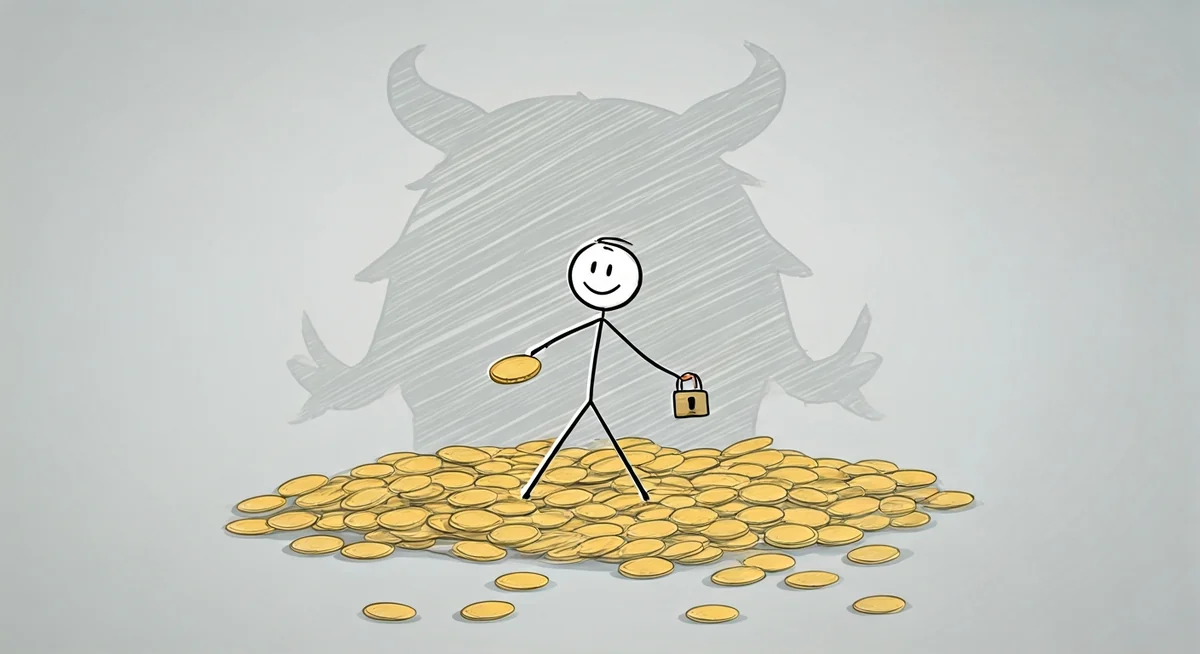
Upbit, too, offers unmatched convenience for local users. Easy KRW deposits and withdrawals, a user-friendly interface, and operating under Korean financial oversight? Those clearly give a sense of security. High local liquidity means fast trading in the KRW market. And access to the local investor community is a big benefit. So, each exchange has its unique strengths. You need to wisely use these advantages, aligning them with your investment strategy and how much risk you can handle.
7. 2026: Criteria for a Balanced Choice to Protect Your Assets
So, to cut to the chase: saying "one of Binance or Upbit is definitely better" in 2026 is risky. Both platforms have clear upsides, alongside easily missed downsides. Making the best choice to protect your money goes beyond a simple feature list. It starts with a deep dive into shifting regulations, hidden fees, and the unique risks each platform carries.
The shocking truth is this:
You need to truly understand your investment goals, your risk tolerance, and what convenience means to you. Then, strategically use the pros and cons of both platforms. For example, if you want to dabble in various altcoins with small amounts, Binance might be your go-to. If stable KRW trading and sticking to local rules are vital, Upbit would be better. Or, you could use both exchanges simultaneously to spread your risk – that's a smart move. Here's the real insight: By 2026, applying the idea of 'diversified investing' to exchange selection will become even more crucial. Don't put all your eggs in one basket; use multiple platforms.
The contrarian view in this article might not be an easy pill to swallow. But it's absolutely a perspective worth considering to safeguard your valuable assets. Ask yourself these questions:
- In 2026, will my assets be safe if unexpected regulatory changes hit?
- Am I currently missing any hidden costs or risk factors?
- What does 'true safety' actually look like for my investment goals and risk tolerance?
Frequently Asked Questions (FAQ)
Q1: Which exchange, Binance or Upbit, will be safer in 2026?
A1: Determining the "safer" exchange really depends on your personal risk tolerance and investment approach. Upbit might suit you better if regulatory compliance and local access are top priorities. But if global liquidity and diverse options matter more, Binance could be the way to go.
Q2: What are the most critical risks to know about when using Binance in 2026?
A2: For Binance users in 2026, the biggest concern is global regulatory uncertainty. Stricter rules in different countries could lead to restricted access to your funds or legal trouble.
Q3: What are the easily overlooked weaknesses when using Upbit?
A3: Upbit's main vulnerabilities are its heavy reliance on the domestic market and its relatively limited altcoin selection. It might be less responsive to domestic policy shifts or broader global market trends.
About the Author
CryptoPing Desk — Senior Crypto AnalystExpertise: Cryptocurrency Trading, Risk Management, Bitcoin Technical Analysis
Last Reviewed: 2026-05-20
🔔 Need real-time crypto alerts?
CryptoAlertAI monitors 11 exchanges 24/7 and pushes pumps, dumps, and new listings to Telegram instantly.
Start Free →Frequently Asked Questions
💰 Crypto Price Calculator
⚠️ Investment Disclaimer: This article is for informational purposes only and does not constitute financial advice. Cryptocurrency investments involve significant risk of loss. Never invest more than you can afford to lose. Read our full disclaimer →
🤖 AI Disclosure: This content was created with AI assistance (Google Gemini 2.5 Flash) and reviewed by our editorial team. Learn about our editorial process →